
What Should Happen When a Witch Hunt Finds a Witch?
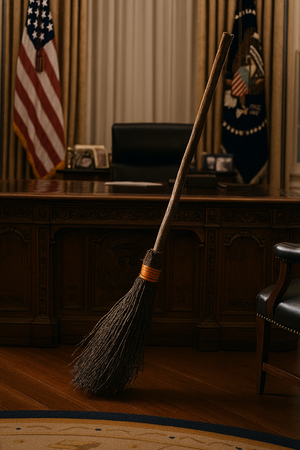
📰 What Should Happen When a Witch Hunt Finds a Witch?
Donald Trump has a favorite defense: whenever investigations close in, he calls them “witch hunts” or “hoaxes.” From Russian election interference to the E. Jean Carroll defamation case, from New York business fraud to the Stormy Daniels hush‑money payments, from the January 6th insurrection to the Mar‑a‑Lago classified documents case — every probe, conviction, or allegation has been met with the same refrain.
Now, the Epstein files have entered the spotlight. During his campaign, Trump promised transparency and the release of these records. Today, he dismisses the push for disclosure as another “Democrat hoax.”
📂 The Epstein Files in Congress
According to USA Today and The Hill, a House discharge petition to force a vote on releasing unclassified Epstein‑related DOJ files reached the required 218 signatures after Rep. Adelita Grijalva signed on. This procedural move sets up a floor vote, likely in December.
Reports also suggest Trump and his allies pressured some Republicans to withdraw their signatures. Rep. Nancy Mace publicly resisted, keeping her name on the petition (USA Today). Passage in the House would not guarantee release — the Senate and president must also act.
📧 Allegations in the Released Emails
House Oversight Democrats have published emails from Epstein’s estate alleging Trump “knew about the girls” and spent time at Epstein’s residence (Politico, ABC News, House Oversight Committee press release).
The White House dismissed these disclosures as partisan attacks and a “hoax” (NBC News).
It’s important to stress: these remain allegations, not adjudicated facts. Courts and investigators would need to determine credibility.
⚖️ The Legal Landscape
The Supreme Court’s 2024 ruling in Trump v. United States established a tiered immunity framework:
-
Absolute immunity for core constitutional acts.
-
Presumptive immunity for other official acts.
-
No immunity for unofficial acts.
You can read the full decision at SupremeCourt.gov or summaries at Justia and Constitution Center.
Whether alleged “cover‑up” conduct is prosecutable depends on whether courts classify it as official or unofficial.
Congress retains the power to impeach for misconduct in office, independent of criminal prosecution. And while a president can pardon federal crimes, state crimes are beyond the reach of presidential pardons. If alleged offenses occurred before Trump’s presidency and fall under state law, they would be handled by state courts.
🕵️ Accountability Without Overreach
When a “witch hunt” uncovers credible evidence, the path forward should be clear:
-
: Release unclassified files so the public can judge.
-
: Allegations must be tested in court, not just headlines.
-
: Lawmakers can pursue impeachment if in‑office misconduct is proven.
-
: Pre‑presidency crimes fall to state courts, beyond the reach of presidential pardons.
🎯 Closing Thought
Trump’s rhetoric frames every investigation as persecution. But when evidence surfaces — whether in emails, petitions, or courtrooms — the real question isn’t whether it’s a witch hunt. It’s whether accountability will follow.